Transform Your Designs with Holographic Lizard Backgrounds
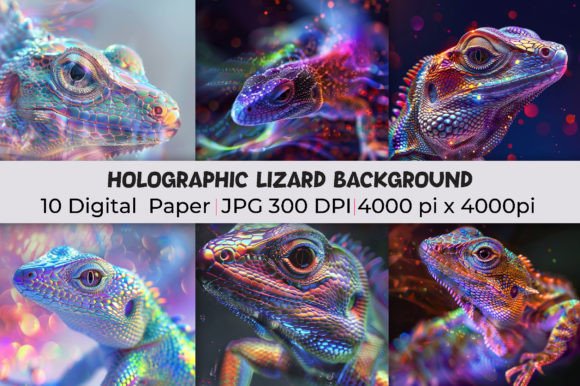
When you're working on a project that demands attention, standard textures often fall short. You need something that captures light and imagination simultaneously. That is exactly where Holographic Lizard Backgrounds come into play. These assets are not just static images; they are dynamic canvases that mimic the iridescent, shifting scales of a reptile skin, blended with the modern aesthetic of alcohol ink and rainbow holography. For designers, entrepreneurs, and content creators, this collection offers a way to bypass the complex process of creating these effects from scratch, providing a ready-made foundation for high-end visual storytelling.
The Anatomy of the Aesthetic: More Than Just a Texture
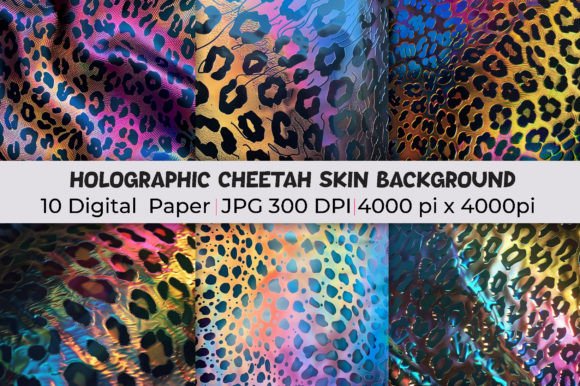
Understanding the visual language of these backgrounds is key to using them effectively. Unlike a flat color or a standard gradient, a holographic lizard texture interacts with the viewer's perception of depth. The visual characteristics are defined by a spectrum of vibrant hues that shift seamlessly from one to another—think electric blues bleeding into magentas and golds. The "lizard" aspect refers to the intricate, scale-like detailing that gives the surface a tactile, almost three-dimensional quality. It suggests luxury, futurism, and organic complexity all at once.
The personality of this style is bold and unapologetic. It fits into the realm of modern typography and premium design assets because it carries an inherent sense of value. When you place a serif font or a clean sans serif font over a shifting holographic surface, the contrast creates an immediate focal point. The background doesn't just sit there; it adds energy. This makes it an excellent choice for projects that need to feel alive, innovative, and slightly futuristic without losing a sense of organic warmth.
Practical Applications: Where Holographic Lizard Backgrounds Shine
The versatility of this collection is one of its strongest selling points. Because the images are provided as high-resolution 4000x4000 pixel JPGs, they maintain their integrity across both digital and print mediums. You are not limited to small web banners; these can be blown up for event signage or detailed packaging mockups without pixelation.
Here are specific scenarios where these backgrounds elevate the final product:
- Brand Identity and Logo Design: If you are crafting a brand identity for a beauty line, a tech startup, or a fashion label, a holographic lizard background can serve as a moody, sophisticated backdrop for a logo design. It suggests that the brand is cutting-edge and premium.
- Social Media Graphics: In the fast-scrolling environment of Instagram or TikTok, static images often get ignored. These backgrounds add the necessary "thumb-stopping" power. They work exceptionally well for announcement posts, podcast covers, or YouTube thumbnails.
- Editorial and Web Design: In editorial design, such as magazine covers or hero sections on a website, these textures can break the monotony of white space. They work best as section dividers or headers where you want to transition the reader from a casual browse to a focused read.
- Packaging Design: For packaging design, particularly in the cosmetics or confectionery industries, the iridescent quality mimics materials like foil stamping or holographic film. Using these backgrounds in mockups can help clients visualize the "shelf appeal" of their product before it is manufactured.
Strategic Typography: Pairing Fonts with Iridescent Textures
One of the biggest challenges with vibrant backgrounds is ensuring legibility. You have spent time selecting the perfect typeface, but if it disappears into the background, the message is lost. When working with Holographic Lizard Backgrounds, your approach to typography needs to be strategic.
High-contrast font pairing is essential. Because the background is busy and colorful, your text needs to anchor the design. A heavy, bold display font often works best for headlines. The weight of the letters creates a solid shape that stands distinct against the shifting scales of the texture. For body text, avoid thin, delicate weights. Instead, opt for a medium-weight sans serif font with generous tracking. This ensures that the text remains readable even if the background pattern is complex behind it.
Consider using overlays to aid readability. A slight drop shadow, a semi-transparent color overlay, or a "knockout" box (a solid shape behind the text) can help separate your typography from the creative font background. This technique is standard in web design and print layouts where background images are unavoidable. The goal is to maintain the visual hierarchy so the viewer knows exactly where to look first.
Evaluating Fit and Licensing for Your Projects
Before integrating these assets into your workflow, it is practical to evaluate the specific needs of your project. While the holographic lizard texture is visually striking, it may not be suitable for a law firm’s annual report or a medical brochure where calm and stability are the primary brand values. It is best suited for industries focused on lifestyle, entertainment, beauty, technology, and creative services.
Regarding the technical side, the package includes 10 distinct variations. It is worth downloading and reviewing all of them to see which color spectrum best matches your brand identity. Some variations might lean more towards cool blues and purples, while others might feature warmer pinks and oranges. This variety allows you to maintain consistency across a campaign while using different backgrounds for different sub-topics or products.
Finally, always verify the licensing terms. For commercial font and asset usage, you need to ensure the license covers your specific application—whether it is for a client project, merchandise for sale, or digital distribution. Most collections like this are royalty-free for standard commercial use, but checking the specifics ensures you can use these design assets with confidence and professionalism. By treating these backgrounds as professional tools rather than just decorations, you ensure they contribute to the success and sophistication of your creative output.